





Blog Categories
Search Blog
Blog Categories
Paediatric Constipation: A Commonly Overlooked Issue
Constipation is one of the most common concerns seen in paediatric clinics, yet it often goes unnoticed at home. Many children don’t recognize the signs of constipation, and research shows that nearly half of constipated children never mention their symptoms. Some even describe their bowel habits as “good” despite experiencing discomfort or difficulty.
Because constipation can persist quietly in the background, encouraging open conversations about bowel habits and increasing caregiver awareness are key to identifying concerns early and preventing chronic issues.
Can a Child Have a Daily Bowel Movement and Still Be Constipated?
Yes. Many families are surprised to learn that a child can have a bowel movement every day and still be constipated. Stool type, size, and comfort are just as important as frequency.
The Bristol Stool Chart is a helpful, visual tool used by pediatricians, pelvic health physiotherapists, and families to understand stool consistency.
- Types 3–5 are considered typical.
- Types 1–2 indicate constipation.
- Types 6–7 suggest loose stool or diarrhea.
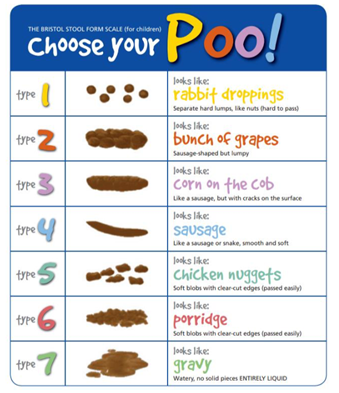
Sharing this chart with children can help normalize bowel discussions and increase awareness of what “healthy” stool looks and feels like.
What Causes Chronic Constipation?
Constipation that lasts more than three months is considered chronic. Often, constipation begins with one episode of withholding or difficulty passing stool. If stool stays in the colon too long, it becomes dry and hard, making the next bowel movement even more painful, creating a cycle that is difficult to break without support.
Common contributors include:
- Limited toilet access (car rides, school, travel)
- Avoiding bathrooms that feel dirty or uncomfortable
- Lack of privacy
- Low activity levels
- Limited intake of fiber or fluids
- Pain from previous bowel movements
- Certain medications
Children who experience pain may begin withholding, resisting, or ignoring the urge to go. Over time, this can reduce rectal sensation, meaning a child feels the urge to have a bowel movement less often, which further contributes to constipation. Early support helps prevent complications such as fecal incontinence or ongoing withholding patterns.
Signs of Stool Retention in Children
Constipation is not always obvious. In addition to infrequent or difficult bowel movements, children may experience:
- Abdominal pain
- Strong or unusual body odor
- Large stools that clog the toilet
- Reduced appetite
- Urinary incontinence or increased urinary frequency
- “Bypass” diarrhea or stool leakage
These clues often help caregivers recognize that stool retention may be occurring even if bowel movements seem “regular.”
Pelvic Health Physiotherapy…for Kids? Absolutely.
Children have a pelvic floor too, and paediatric pelvic health physiotherapy can play an important role in managing constipation.
Paediatric pelvic health physiotherapists use child-friendly, engaging strategies to support:
- Pelvic floor and core strength
- Relaxation and proper breathing
- Healthy toileting posture and routines
- Hydration and nutrition awareness
- Tracking bowel habits and recognizing urges
Assessments may involve examining the back, hips, abdomen, and external pelvic area, with alternatives offered to ensure children feel safe and comfortable.
It’s common to see kids practicing belly breathing, blowing into a pinwheel, or drawing pictures of stool—these activities help support bowel function in a fun and accessible way.
If Things Look “Normal” Again After a Short Bout of Constipation, Should We Still Seek Support?
Even when symptoms appear to improve, a previous episode of constipation may have disrupted bowel habits or pelvic floor coordination. A single painful bowel movement can lead children to start withholding without realizing it. A pelvic health physiotherapist can assess whether any underlying tension, coordination issues, or withholding patterns remain and help prevent constipation from returning or becoming chronic.
Will This Ever Get Better?
Constipation can be emotionally draining for children and caregivers. Treatment often requires patience, consistency, and a holistic approach. Bowel retraining may take 6–18 months, and ups and downs along the way are completely normal.
Success typically involves considering:
- Diet and hydration
- Toilet habits and routines
- Emotional or behavioural factors
- Physical factors such as posture, muscle tension, or coordination
- Regular follow-up with healthcare providers
At Boomerang Health, our physiotherapists collaborate closely with registered massage therapists, occupational therapists, social workers, registered dietitians, and bowel & bladder paediatricians to create personalized treatment plans that support your child’s long-term success.
When to Seek Help
Early intervention makes a meaningful difference. If your child is experiencing constipation or bladder challenges, a paediatric pelvic health physiotherapist can help identify the root causes and support your child in building healthy, comfortable bowel habits.
Book an appointment with one of our pelvic health physiotherapists at Boomerang Health for expert, kid-friendly care.